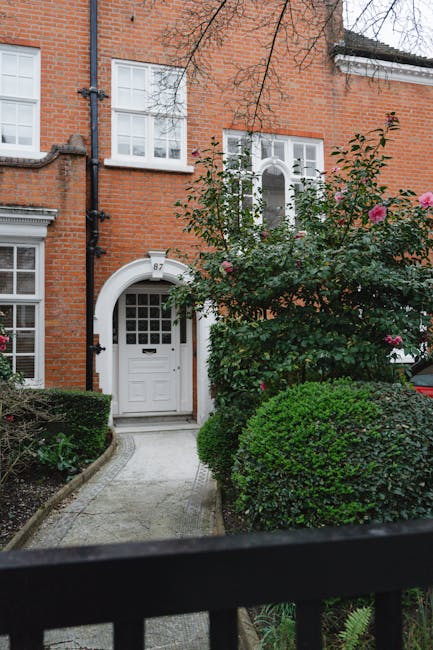
SM6 front garden services for Beddington Lane homes: a practical guide for tidy, welcoming kerb appeal
If you live on or near Beddington Lane, you already know the front garden does a lot of quiet work. It frames the house, sets the tone before anyone even knocks, and can be the difference between "pleasant enough" and genuinely welcoming. SM6 front garden services for Beddington Lane homes are all about keeping that space neat, usable, and in proportion with the home itself-without making it feel overworked or fussy.
Whether you want a sharper first impression, easier day-to-day upkeep, or a safer and more practical layout, front garden care can make a surprisingly big difference. In this guide, we'll look at what these services usually include, how they work, when they make sense, and what to watch out for. You'll also find a checklist, comparison table, and a few local-minded tips that are useful in real life, not just on paper.
Table of Contents
- Why SM6 front garden services for Beddington Lane homes Matters
- How SM6 front garden services for Beddington Lane homes Works
- Key Benefits and Practical Advantages
- Who This Is For and When It Makes Sense
- Step-by-Step Guidance
- Expert Tips for Better Results
- Common Mistakes to Avoid
- Tools, Resources and Recommendations
- Law, Compliance, Standards, or Best Practice
- Options, Methods, or Comparison Table
- Case Study or Real-World Example
- Practical Checklist
- Conclusion
- Frequently Asked Questions
Why SM6 front garden services for Beddington Lane homes Matters
A front garden is one of those spaces people notice before they properly notice the house. On a busy road or a lived-in residential street, it can quietly influence how well a property feels maintained. That matters for everyday pride, yes, but also for practical reasons: access, safety, visibility, and the general sense that the home is looked after.
For Beddington Lane homes in the SM6 area, front gardens often need to do a few jobs at once. They may need to stay tidy enough for visitors and deliveries, remain manageable through the seasons, and still have enough planting to feel warm rather than bare. To be fair, that balance is not always easy. A front garden can slip from "neat enough" to "oh, we really should sort that out" rather quickly, especially after a wet spell and a couple of fast-growing weeks in spring.
Good front garden services help bring the space back into shape and keep it there. That can include hedge cutting, border tidying, lawn care, shrub shaping, clearance, weed control, light planting, and the removal of waste after the job is done. If the front garden is the frame around your home, these services help keep the frame clean and intentional.
Practical takeaway: the best front garden work is not just cosmetic. It should make the space easier to use, simpler to maintain, and more in keeping with the property.
If you are comparing providers, it also helps to look beyond the immediate cut-and-clear job. A reputable company should be clear about service scope, scheduling, safety, and what happens to waste. Pages like the services overview and about the business are useful places to understand how work is approached before you book anything.
How SM6 front garden services for Beddington Lane homes Works
Most front garden projects start with a quick look at what is actually there. Sounds obvious, but it's where the real decisions happen. A front garden service is usually shaped by the size of the plot, the condition of the planting, how much access is available, and how much ongoing maintenance the homeowner wants.
In a typical visit, the process may look something like this:
- Assessment of the space - the provider checks the layout, plant health, overgrowth, boundaries, surface areas, and access points.
- Discussion of priorities - you may want a tidy-up only, or a more regular maintenance plan. Some homeowners want the whole front to look sharper before a sale or family event.
- Work plan agreed - this can include hedge trimming, pruning, lawn edging, weeding, leaf clearance, or plant removal.
- Carrying out the work - generally with a focus on neat cuts, tidy edges, and safe handling of tools and debris.
- Waste removal and finish - cuttings are cleared away, paths are left usable, and the garden is checked for stray debris.
Front garden care is not always a one-off affair. Many homes benefit from seasonal visits, especially where hedges and shrubs grow quickly. Early summer can bring a burst of growth; autumn brings leaves and clutter; winter exposes the structure of the garden, which is often the time people notice if the layout is working or not. Little things, but they add up.
When choosing a provider, check whether they can explain their methods clearly and whether they have sensible safety and insurance arrangements. You can review details such as insurance and safety and health and safety policy to get a feel for how seriously the business treats the job. That's not paperwork for paperwork's sake; it is part of professional, low-drama service.
Key Benefits and Practical Advantages
There's a reason front garden services remain popular for local homeowners. They offer a mix of immediate visual improvement and longer-term practicality. And honestly, once the work is done, most people wonder why they left it so long.
Here are the most useful advantages:
- Better kerb appeal - a clean front garden makes the property feel cared for straight away.
- Easier upkeep - regular maintenance prevents the garden becoming a bigger task later on.
- Safer access - clear paths, controlled growth, and fewer trip hazards matter more than people realise.
- Healthier plants - correct trimming and pruning can help shrubs and hedges stay in better shape.
- More usable space - a front garden can feel larger and less cluttered after a proper tidy-up.
- Reduced stress - less weekend slogging with shears and bags of clippings. That alone is worth something.
For homes on busier roads or narrower plots, good garden management also helps the house look more settled and intentional. A slightly overgrown hedge can hide the shape of the property. A well-cut front boundary, by contrast, opens the space up and makes everything feel brighter. You notice it most on a clear morning, when the light hits freshly trimmed edges and the whole frontage looks sharper.
There is another subtle benefit: neighbours tend to notice. Not in a nosy way, necessarily. Just that tidy front gardens lift the look of a whole street, especially where houses share similar layouts. That sort of effect is hard to measure, but very real.
Who This Is For and When It Makes Sense
Front garden services are not only for homes that are badly overgrown. In fact, many of the most sensible bookings come from homeowners who simply want to stay ahead of the job rather than catch up after the fact.
This kind of service makes sense if you are:
- struggling to keep hedges, shrubs, or borders under control
- preparing a property for sale, letting, or new tenants
- wanting a cleaner, more welcoming front entrance
- concerned about blocked access, hidden steps, or messy paths
- short on time, mobility, or gardening equipment
- looking for seasonal help rather than full landscape redesign
It also suits people who are happy with their front garden's basic layout but know it has drifted. Perhaps the hedge now feels too tall. Perhaps the old border is full of weeds. Perhaps the paving edges have gone fuzzy and the whole thing just looks tired. That is a common situation, and usually a very fixable one.
There's a difference between a garden that needs a full redesign and one that just needs disciplined maintenance. A decent service should be able to tell you the difference without pushing you into unnecessary work. If someone is overly eager to "replace everything," that's worth a raised eyebrow.
Step-by-Step Guidance
If you're thinking about booking front garden work, it helps to know how the process should unfold. It keeps the conversation focused and makes it easier to compare quotes or recommendations.
1. Walk the garden properly
Start by standing at the pavement and looking at the whole frontage. Then walk it again. What looks untidy from a distance may be a small number of very fixable issues up close: one hedge line, a few weeds, or a border that has lost its shape. This is the moment to decide what matters most.
2. Separate maintenance from improvement
Maintenance is about keeping things neat. Improvement is about changing the garden's look or usability. You may only need maintenance now, but it is useful to know where the boundary lies. Otherwise, jobs can quietly grow legs.
3. Prioritise safety and access
Before any cutting begins, clear what you can from paths, steps, and entrance areas. Move lightweight pots, bikes, bins, and anything else that could get in the way. If access is tight, say so early. Front gardens often have awkward gates, narrow side access, or limited parking, and that affects the plan.
4. Choose the right work sequence
A good sequence usually goes from the larger structural work to the finer detail. For example, hedge trimming before edging, pruning before sweeping, and weed removal before finishing touches. That order keeps the result cleaner and avoids redoing work. Simple, but often missed.
5. Check the finish carefully
Look at the garden from several angles: from the pavement, the front door, and a few steps back inside the property. Are the lines straight? Are the clippings gone? Is the entrance clear? Small finishing details make a big difference here.
6. Decide on follow-up
If the garden has grown quickly, a one-off tidy may not be enough. Many homeowners end up moving to a seasonal routine after the first visit because it keeps the work manageable. That's usually the smarter route, truth be told.
Expert Tips for Better Results
Front gardens tend to look best when the work is deliberate rather than heavy-handed. Overcutting can make a space look stark. Undermaintaining makes it look forgotten. The sweet spot is somewhere in the middle.
- Keep the shape consistent. If your hedges or shrubs have a natural line, preserve it rather than forcing a new one every visit.
- Trim a little, then review. You can always take more off. Putting it back, not so much.
- Use edging to define borders. Even a modest front garden looks better when the lawn and paths have clear boundaries.
- Don't ignore the base of plants. A neat top with weeds around the bottom looks half-finished.
- Think about visibility from the street. Front gardens are viewed in motion, from the pavement, car, or door step. That changes what matters visually.
- Choose waste handling carefully. A tidy job includes what happens after the cutting is done, not just the cutting itself.
One small but useful habit: take a quick photo of the front garden before the work begins. Not for social media, obviously. It just helps you see whether the final result actually improved the space or simply changed it. You'll spot things more clearly after the dust has settled, so to speak.
If sustainability matters to you, it is worth asking how green waste is managed and whether recyclable material is handled responsibly. A business that is transparent about this should be able to point you to its recycling and sustainability approach in plain language.
Common Mistakes to Avoid
It's easy to think a front garden is straightforward. And it can be. But a few common mistakes keep cropping up, especially when people try to do everything in a rush.
- Cutting too much at once - this can stress plants and leave the garden looking sparse or uneven.
- Ignoring access issues - tight spaces, parked vehicles, or shared paths can complicate the job.
- Leaving waste behind - even a beautifully cut garden feels unfinished if clippings are left about.
- Chasing perfect symmetry - not every front garden needs rigid lines; some layouts look better with a softer shape.
- Forgetting seasonal timing - the best result in March may not stay that way by June.
- Choosing price alone - the cheapest quote can look fine on paper and still be poor value if the finish is rushed.
There's also a practical mistake people make: treating the front garden like a back garden. The two spaces behave differently. The front is more visible, more public, and usually more about presentation plus access. That changes how the work should be approached.
Another one? Not asking what is included. A quote that sounds similar to another quote may actually cover very different work. Clarify hedge cutting, border tidy-up, waste removal, and any follow-up advice before you agree.
Tools, Resources and Recommendations
You do not need a shed full of specialist kit to keep a front garden in decent shape, but it helps to know what is generally used and why. For homeowners who prefer to maintain parts of the garden between visits, basic tools can make a world of difference.
| Tool or resource | What it helps with | Why it matters |
|---|---|---|
| Secateurs | Light pruning and deadheading | Useful for precise cuts without damaging nearby growth |
| Hand shears | Small hedge and shrub shaping | Helps keep softer growth neat between larger visits |
| Garden gloves | Protecting hands while weeding or clearing debris | A small thing, but a practical one |
| Wheelie bin or green waste bags | Temporary collection of cuttings | Stops the garden feeling chaotic during the job |
| Seasonal maintenance plan | Regular visits or reminders | Prevents growth from getting away from you |
For service quality, a useful resource is the provider's own support pages. You can review practical details such as pricing and quotes before deciding what level of work suits your budget and expectations. If you want to understand the wider offer, the services overview can help you see how front garden work fits alongside other maintenance options.
And if you want to know more about the company behind the service, the about us page is a sensible place to start. In a local service business, trust often comes from the basics being clear: who is doing the work, how they work, and how they handle the details.
Law, Compliance, Standards, or Best Practice
Front garden services are generally straightforward, but there are still sensible standards to follow. These are less about red tape and more about keeping the job safe, respectful, and professionally handled.
Good practice usually includes:
- Safe tool use - tools should be appropriate for the task and handled carefully.
- Clear access management - paths, entrances, and neighbour boundaries should be respected.
- Waste handling - cuttings and debris should be removed or managed responsibly.
- Insurance awareness - the provider should have suitable cover for the work carried out.
- Transparency around terms - what is included, what is extra, and what happens if access is restricted.
For homeowners, the key is not to become a compliance expert. You just need enough confidence that the service is operated responsibly. Pages like terms and conditions and insurance and safety can help you understand those basics before booking.
If a company is serious about responsibility, it will usually make its policies easy to find and easy to understand. That includes practical matters like payment handling, privacy, complaints, and accessibility. It's all part of the same picture. You are not buying "just a trim"; you are booking a service relationship, however small the job may seem.
Options, Methods, or Comparison Table
Not every front garden needs the same approach. A neat little townhouse frontage is very different from a wider plot with mature shrubs, and the best option depends on the garden's condition and how much time you want to spend maintaining it afterwards.
| Option | Best for | Pros | Things to think about |
|---|---|---|---|
| One-off tidy-up | Overgrown or neglected fronts | Fast reset, immediate visual improvement | May not stay neat for long without follow-up |
| Seasonal maintenance | Most ordinary homes | Keeps growth under control through the year | Requires planning and a repeat schedule |
| Light redesign | Front gardens that feel awkward or dated | Improves layout and usability | Usually takes more discussion and budget |
| Full front garden makeover | Properties needing a larger change | Major visual and practical transformation | Higher cost, more time, more decisions |
In many cases, the best choice is not the biggest one. A well-timed tidy-up paired with a sensible maintenance plan can be more effective than a full redesign. A front garden should make your life easier, not become a project that sits there forever in the "must sort soon" pile.
If you are unsure, ask for a clear breakdown. What will be cut, what will be left, and what would count as extra work? Straight answers tend to save everyone time.
Case Study or Real-World Example
Picture a typical Beddington Lane frontage: a small hedge along the pavement, a few shrubs near the window, weeds tucked into border edges, and leaves gathering near the gate after windy weather. Nothing dramatic. Just enough that the house feels a little untidy when you arrive home in the evening.
After a front garden service, the hedge line is levelled, the shrubs are shaped back to their natural form, the border is cleared, and the path looks wider because the edges are crisp again. Nothing flashy. But the house feels easier to approach. The entrance looks open, the front door stands out properly, and the whole property has a calmer feel.
That kind of result is common because so much of garden presentation depends on structure. When the edges are clear, the space seems larger. When the waste is removed, it seems more intentional. When the hedge stops creeping over the path, the garden suddenly feels like it belongs to the house again.
One homeowner might call it a "small tidy," but the effect is usually bigger than that. You notice it from the pavement, then you notice it again the next morning. That's the thing with front gardens: the improvement is often subtle and obvious at the same time.
Practical Checklist
Use this quick checklist before arranging front garden services. It helps keep the job focused and avoids the usual back-and-forth later.
- Decide whether you need a one-off tidy or ongoing maintenance.
- List the main problem areas: hedge, lawn edge, weeds, borders, access, waste.
- Check whether any plants should be kept, shaped, or removed.
- Make sure gates, paths, and entrances are easy to access.
- Ask what is included in the quote.
- Confirm how waste and clippings will be handled.
- Check whether the provider explains safety and insurance clearly.
- Ask about timing if you need the garden ready for a sale, visit, or event.
- Consider whether you want seasonal follow-up after the first visit.
- Review the result from the pavement and from the front door.
Small tip: if you can describe the garden in one sentence, you are probably ready to brief someone properly. For example: "We need the front hedge reduced, the borders cleared, and the entrance made tidy without stripping it bare." That's the sort of brief that makes sense.
Get a free quote today and see how much you can save.
Conclusion
SM6 front garden services for Beddington Lane homes are about more than keeping things tidy. They help a property feel cared for, easier to maintain, and better suited to everyday life. For some homes, that means regular hedge trimming and border care. For others, it means a one-off reset and a smarter plan going forward.
The best results usually come from clear priorities, practical expectations, and a provider who handles the work properly from start to finish. Keep the scope realistic, ask direct questions, and pay attention to the small details that make a front garden look finished rather than merely cut.
If you want a service that is thoughtful, tidy, and grounded in real local needs, that is absolutely achievable. And once the front of the house feels right again, the whole place often feels a bit more like home. Funny how that works.
For next steps, you may also find it useful to review pricing and quotes, contact options, and the business's complaints procedure so you know exactly where you stand before booking.
Frequently Asked Questions
What are SM6 front garden services for Beddington Lane homes?
They are local front garden maintenance and tidy-up services for homes in the SM6 area, typically including hedge trimming, border clearing, pruning, weed removal, and general presentation work.
How often should a front garden be maintained?
It depends on the planting and how quickly it grows, but many front gardens benefit from seasonal attention. Some need more frequent visits during spring and summer.
Do front garden services include waste removal?
Often they do, but not always. It is worth confirming this at the quote stage so there are no surprises after the work is finished.
Can a front garden service improve kerb appeal quickly?
Yes. A tidy hedge, clear border, and clean path can change the look of a property very quickly, sometimes in a single visit.
Is a front garden tidy-up the same as a full redesign?
No. A tidy-up focuses on maintenance and presentation, while a redesign changes the layout, planting structure, or materials more substantially.
What should I ask before booking?
Ask what is included, how waste is handled, whether the provider is insured, and whether the work is a one-off or part of ongoing maintenance.
What if my front garden is overgrown?
That is usually fine. A good service can often bring it back under control with a staged approach, though very dense or neglected growth may need a more detailed plan.
Are front garden services suitable if I have limited mobility?
Yes, they can be especially helpful. Many homeowners use them to reduce physical strain and keep access areas safe and clear.
How do I know if the job has been done properly?
Check the garden from the pavement, the front door, and the side access if relevant. The finish should look neat, balanced, and free from leftover debris.
What is the best time of year for front garden work?
There is no single best time for every garden, but spring and early summer are common for shaping and tidying, while autumn is useful for clearing fallen leaves and keeping things under control.
Should I choose the cheapest quote?
Not automatically. A very low price can be fine, but only if the scope, finish, and waste removal are clear. Value matters more than a number on its own.
Where can I learn more about the company and its policies?
You can review the business background on the about us page, then check the terms and conditions and privacy policy for practical details.