Hedge Trimming in Hackbridge

Hedge trimming in Hackbridge is about keeping living boundaries neat, healthy and suited to the space they frame. Our service focuses on regular cutting, careful shaping and tidy finishing for domestic gardens and shared outside areas where hedges need to look orderly without being overcut. We work across common hedge types, from dense evergreen screens to mixed boundary planting, and we keep the emphasis on controlled results rather than heavy reduction unless that has been agreed in advance.
A well-cut hedge does more than improve appearance. It can help maintain clear lines along paths, driveways and boundaries, and it can reduce the risk of unruly growth spilling into places where it becomes awkward to manage. We shape with the plant’s growth habit in mind, taking care to leave enough healthy material for the hedge to recover and continue filling out. Where a hedge needs a sharper outline, a softer natural form or simply routine maintenance, we tailor the work to the plant and the setting.
For a quotation, it helps to describe the hedge type, approximate length and current height, then tell us whether you want maintenance cutting or a more noticeable reduction. If access is tight or the hedge sits beside paving, parking spaces or a neighbouring boundary, that information is useful too. You can send a short enquiry, and we can discuss the most suitable approach before anything is arranged.
Routine hedge maintenance

Regular hedge maintenance keeps growth manageable and supports a cleaner finish throughout the year. This is the best-fit option when a hedge is already at a sensible size and simply needs trimming back into shape. The work usually includes face cuts, top line correction and an even finish to help the hedge present neatly from both the garden side and the street side where relevant. We aim for a balanced result that respects the hedge’s natural form rather than forcing an artificial profile.
Some hedges benefit from modest, frequent attention instead of waiting for a larger cut. That can be especially true for fast-growing varieties that start to soften footpaths, obscure light or lose their crisp outline between seasons. In those cases, smaller and more regular trimming often gives a tidier long-term result and avoids the need for stronger corrective work later. Our hedge trimming service is centred on that practical maintenance approach, with the goal of keeping growth under control while preserving healthy structure.
When preparing a request, it is helpful to mention whether the hedge is one side only, part of a full boundary, or wrapped around a corner. If you know the hedge species, you can include that too, although a clear photo or a brief description is often enough to begin. The more accurately the growth and access are described, the easier it is to estimate the time and level of cutting involved, especially where the hedge borders hard landscaping.
Shaping, reduction and corrective cutting

Not every hedge needs the same treatment. Some simply need the edges freshened up, while others require a more deliberate reshape after a period of unchecked growth. We can carry out shaping work where a hedge has become too wide, uneven or top-heavy, and we can reduce height or spread where that has been agreed in advance. The aim is always to improve the hedge without stripping it so hard that the result looks sparse or stressed.
Corrective cutting is especially useful when previous trimming has been inconsistent or when one side of the hedge has received more light than the other. In those cases, the work may involve more careful balancing of the outline so the hedge looks even from multiple angles. Garden maintenance can sit alongside this type of work when the hedge forms part of a wider upkeep plan for the outdoor space, but the trimming itself remains the main focus here.
Useful factors for a quotation include the hedge’s height, depth, whether both sides need access and whether waste needs taking away. It also helps to know if there are delicate plants, fencing, panels or structures nearby that need extra care. If a hedge has not been cut for some time, mention that too, because longer growth may call for a more gradual reduction rather than a single dramatic pass. A measured approach is often the most reliable one.
Garden boundary work and tidy finishing

Hedges often form the living edges of a garden, so the trimming work needs to consider the surrounding space as well as the plant itself. We trim with clean edges in mind, helping boundaries sit neatly beside lawns, beds, patios and paths. Where a hedge meets a gate or entrance, the finish is usually most noticeable, so we pay attention to lines and visibility as well as height and width. The result should feel deliberate, tidy and easy to maintain.
In mixed garden settings, hedge trimming can be paired with other practical tasks when appropriate. For example, a hedge may be cut alongside broader seasonal maintenance, or it may be worked on as part of a wider tidy-up of borders and access routes. Garden clearance is a separate service area, but it can complement hedge work where overgrowth, cuttings or surrounding clutter have built up and the garden needs a more thorough reset.
A straightforward enquiry is usually enough to start: the hedge location, rough dimensions and the level of cut you want. If there are narrow access points, parked vehicles or shared pathways, that detail matters because it affects how the work is organised. If you are unsure whether a hedge needs a trim, a reshape or a stronger cut back, we can talk through the practical options and keep the plan realistic.
Hedge care and neighbouring planting
Hedge trimming should sit comfortably with the rest of the planting around it. Where a hedge backs onto flower beds, shrubs or mixed borders, the cut needs to be neat enough to avoid disturbing nearby growth. We work carefully around those surroundings so the hedge does not dominate the space or cast unnecessary shade where that can be avoided. This is particularly relevant when the hedge acts as a screen but still needs to retain a controlled, garden-friendly finish.
Some customers want the hedge kept crisp without removing the softness that makes it part of a planted garden. Others prefer firmer lines and a more defined structure. Both approaches are valid, but they require different handling. Landscape gardening sits alongside trimming when a hedge is part of a bigger design or planting plan, while the hedge work itself remains focused on maintaining the intended outline and scale.
Before work begins, it is helpful to know whether the hedge is ornamental, privacy-focused or primarily there as a boundary. That context can influence how much emphasis goes on straight lines, natural shape or controlled density. It is also worth saying if the hedge has one particularly untidy side or if only the street-facing face needs attention. That sort of detail keeps the quotation more accurate and avoids unnecessary assumptions.
How we handle access and preparation

Access matters in hedge trimming because it affects how safely and neatly the work can be carried out. A hedge beside a clear lawn is simpler to reach than one squeezed between fencing, paving and planting beds. If there are gates, side passages, steps or tight corners, mentioning them early makes the quotation more useful. Where access is straightforward, the work can usually be planned more efficiently and the finish can be checked from several angles.
Preparation is usually light, but a few practical details can make a difference. Moving fragile items away from the hedge line, unlocking side access where needed and making sure parked vehicles do not block cutting areas can all help the job proceed smoothly. Our services overview is a useful starting point if you want to understand how hedge trimming sits alongside the wider range of garden work we provide, but the key point here is simply to make access clear from the outset.
If waste removal is part of your request, say so when you enquire. Hedge clippings can vary a great deal depending on the plant and the season, so the volume is worth flagging in advance. This is especially important for larger hedges, where cut material can take up more room than expected. A concise description, plus any photos you are comfortable sharing, is usually enough to let us prepare a sensible quotation.
Hedge trimming and lawn-facing edges
Where hedges run alongside lawns, the line between the two parts of the garden matters. Uneven overhang can make mowing more awkward and can leave the edge looking neglected even if the rest of the garden is tidy. Our trimming work keeps those transitions sharper, helping the hedge frame the lawn rather than crowd it. The aim is a finished look that feels intentional from ground level and from a distance.
In some gardens, hedge work and mowing need to be considered together because each affects the other. A hedge that is too wide can throw shadow over the grass, while a grassed area that is already tight against a hedge may need a careful hand around the border. Lawn mowing is a separate task, but many customers like to think about the hedge and the lawn as one visual line so that the overall result feels consistent.
When you request a quotation, it helps to say whether the hedge edge needs a simple tidy or a more precise line. If the hedge meets paving, gravel or edging stones, that is worth mentioning too because the finish may need extra care. For an efficient reply, include the rough length and height, then explain whether you want the growth cut back evenly or only cleaned up on the visible face.
Mixed boundary planting and seasonal growth
Many hedges are not uniform from end to end. One section may be dense and mature, while another has thinner growth, a different species or a slightly awkward angle. Trimming has to respond to that variation so the whole boundary reads as one coherent line. We adjust the approach for the growth in front of us, rather than applying the same pressure to every hedge regardless of condition.
Seasonal growth can also change the work required. A hedge may be full and fast-moving in one period, then slower and easier to manage later on. That is why a seasonal cut should be judged by condition rather than by calendar alone. Recycling and sustainability is relevant where green waste is being handled responsibly, and it provides a useful complement to hedge work when cuttings need to be dealt with after trimming.
Where a hedge has grown unevenly due to shade, wind exposure or previous cutting patterns, the best result may come from a more gradual correction. That means shaping the structure over time instead of trying to force everything into line in one pass. If you are unsure how much cutting is sensible, say so plainly. A careful assessment of the hedge’s current state will usually give the clearest basis for a quotation.
Related garden work and practical combinations
Hedge trimming often sits within a broader pattern of garden upkeep, especially where overgrowth, uneven edges or neglected borders all appear together. In those situations, the hedge may be only one part of the overall tidy-up. We can discuss whether the trimming should stand alone or form part of a wider schedule of outdoor maintenance, depending on what the space needs and how much cutting is appropriate for the hedge itself.
Landscaping can be relevant where hedge work is being considered alongside structural changes to a garden layout, new planting or refreshed boundaries. Not every hedge project needs that wider scope, but it can be helpful when the aim is to improve the whole appearance of the space rather than one feature in isolation. The key is to separate the hedge’s immediate cutting needs from any longer-term garden plans.
If you want a quotation, tell us which parts of the garden are affected and whether you are mainly after neatness, shaping or a larger reduction. That keeps the discussion practical and avoids inflated expectations. A brief note about waste, access and surrounding features is usually enough. From there, it is easier to set out what can be done and in what order.
About Hackbridge
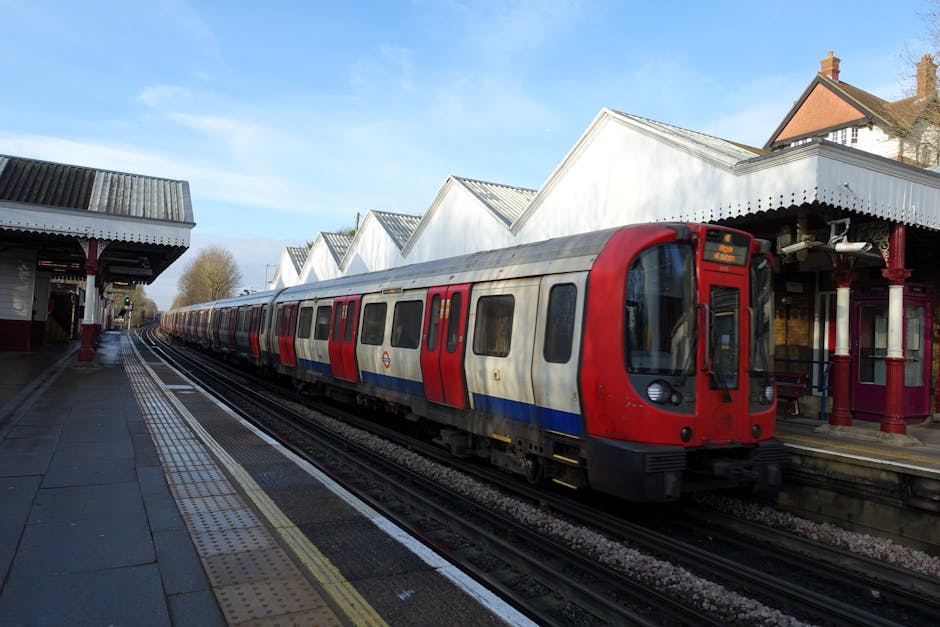
Hackbridge is an area in the London Borough of Sutton, in south-west London, close to the border with the London Borough of Merton. It sits on the course of the River Wandle, a river that has shaped settlement, industry and movement across this part of London for centuries. The area is well known for its mixture of residential streets, local shops and transport connections, with Hackbridge railway station providing links into wider south London and beyond. The Wandle Valley setting gives the place a distinct sense of landscape, as the river corridor, nearby open spaces and tree-lined routes create a softer edge to the urban fabric. This mix of water, housing and transport has influenced how the area has developed over time, combining older traces of settlement with more modern housing and regeneration. Hackbridge is also associated with the wider history of the Wandle valley’s mills and riverside industry, although much of the present-day character is residential rather than industrial. Nearby green spaces and local walking routes contribute to a more open feel than some denser parts of Greater London, while the station and surrounding roads keep the area connected to neighbouring districts. The result is a place that feels both practical and rooted in its setting, with the river and the rail line acting as defining features of the local landscape.
Clear quotations for hedge work
When a hedge needs attention, the most useful quotation is usually the one that reflects the hedge as it is now, not as it looked in previous years. That is why clear information about height, spread, access and the kind of finish you want makes such a difference. A hedge that only needs a light tidy can be handled very differently from one that needs reshaping or a more careful cut-back, so accuracy at the enquiry stage helps set the right expectations.
Pricing and quotes is the place to visit if you want to understand how quotations are approached, but you do not need to overprepare. A short message with the hedge location, approximate size and any practical constraints is a solid starting point. Where relevant, mention whether the hedge is for privacy, boundary definition or a decorative outline, because that can affect how the trim is judged and what a suitable result looks like.
For the final step, simply send a brief enquiry and ask for a quotation for hedge trimming in Hackbridge. If there are photos, measurements or notes about access, include them, but keep the message clear and to the point. Contact us to request your quotation and we can help shape the next step.