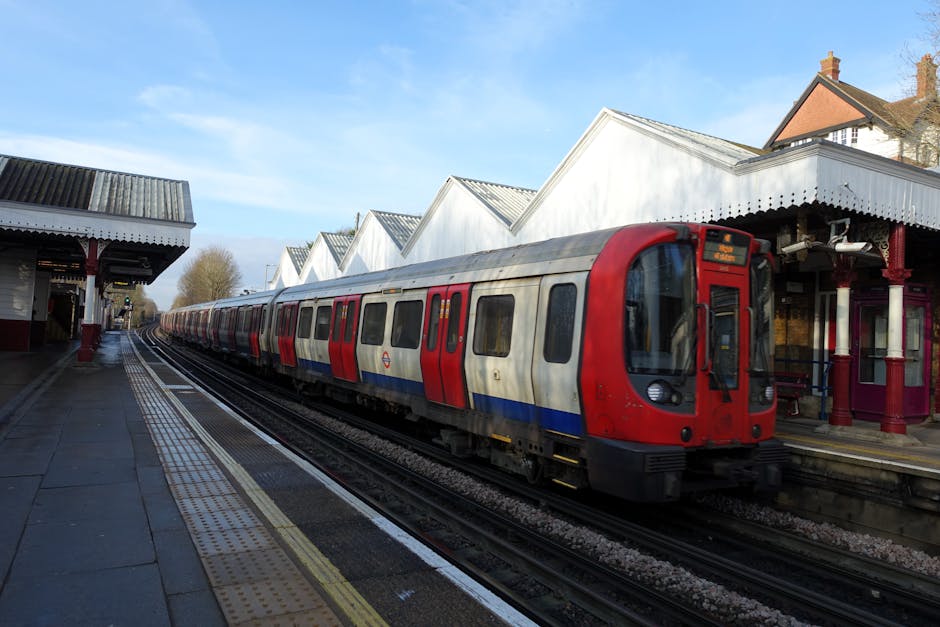
Hackbridge Station garden maintenance SM6 guide
If you are looking after a garden near Hackbridge Station, or you simply want your outdoor space in SM6 to stay neat through the year, this guide will help you make sense of what actually matters. Garden maintenance sounds straightforward on the surface, but in real life it can mean everything from keeping borders tidy after a wet spell to managing weeds, pruning, hedge shaping, lawn care, and the odd bit of seasonal rescue work when things get away from you. Truth be told, that happens to most gardens at some point.
This Hackbridge Station garden maintenance SM6 guide is designed for homeowners, landlords, tenants, and local property managers who want practical advice without fluff. You will find clear steps, useful standards, local considerations, and a grounded look at what regular maintenance can prevent. If you are comparing options too, there are helpful links through to related service pages and area information, including garden maintenance services, landscaping services, and our contact page for straightforward next steps.
Near a busy station like Hackbridge, gardens can face a slightly different rhythm than quieter suburban plots. Footfall, wind exposure, compact front spaces, boundary planting, and limited time all play their part. A well-kept garden does not just look better; it tends to feel calmer, function better, and be easier to live with. And honestly, that matters on a rainy Tuesday evening when you just want to come home to something tidy.
Table of Contents
- Why Hackbridge Station garden maintenance SM6 guide Matters
- How Hackbridge Station garden maintenance SM6 guide Works
- Key Benefits and Practical Advantages
- Who This Is For and When It Makes Sense
- Step-by-Step Guidance
- Expert Tips for Better Results
- Common Mistakes to Avoid
- Tools, Resources and Recommendations
- Law, Compliance, Standards, or Best Practice
- Options, Methods, or Comparison Table
- Case Study or Real-World Example
- Practical Checklist
- Conclusion
- Frequently Asked Questions
Why Hackbridge Station garden maintenance SM6 guide Matters
Garden maintenance around Hackbridge Station in SM6 matters for a few simple reasons. First, the local environment is not always forgiving. Gardens close to transport links often have tighter boundaries, smaller frontages, more exposure to passing dust and debris, and less time for the kind of slow, dreamy gardening that looks lovely in magazines but does not always happen in real homes.
Second, a garden is rarely just decorative. It affects how you use your property every day. A path with moss on it becomes slippery. A hedge left for too long can block light or spill across a boundary. A lawn that is mown too harshly can thin out. Small issues stack up quietly, then suddenly the garden feels like work instead of a place to relax.
For residents near the station, regular care can also support kerb appeal. That is useful whether you are staying put, renting out a property, or preparing to sell. A tidy front garden sends a strong first impression. It says the property is looked after. Fairly small things can do that job well: edged beds, trimmed shrubs, a swept path, healthy planting, and no weeds taking over the cracks.
There is also a practical side that people sometimes miss. Routine maintenance is usually easier and less disruptive than one-off repair work after months of neglect. If you leave a hedge too long, for example, the eventual cut can be more severe and less attractive. If you ignore a lawn through a wet season, recovery takes longer. That is why the best approach is steady, sensible care rather than heroic catch-up sessions every so often.
If you want a broader look at how garden care fits into wider outdoor improvements, our garden services overview and hedge trimming service details are useful next reads. They help show how maintenance tasks connect rather than sit in isolation.
How Hackbridge Station garden maintenance SM6 guide Works
Good garden maintenance is really a repeatable process. It is not just "do the garden" and hope for the best. A sensible schedule starts with observation, then priorities, then the right task at the right time. Simple enough in theory. A bit less simple when the weather turns and the weeds seem to have had a meeting without you.
In practical terms, maintenance near Hackbridge Station usually falls into a rhythm:
- Inspect: look at what has changed since the last visit or tidy-up.
- Prioritise: deal first with safety, access, and fast-growing problems.
- Maintain: mow, trim, weed, edge, deadhead, clear debris, and tidy borders.
- Monitor: check whether certain plants, shaded areas, or drainage spots need different handling.
- Adjust seasonally: reduce pressure in dry spells, increase clearance in autumn, and avoid over-pruning at the wrong time.
A local maintenance plan should also account for the type of garden. A compact courtyard garden near the station needs different care from a long rear garden with mature shrubs, and both differ again from a communal frontage or rental property garden. The basics are similar, but the timing and effort are not. That is where a bit of experience really shows.
Many homeowners do the visible bits well but miss the hidden jobs: checking drainage after heavy rain, removing self-seeded saplings before they establish, clearing leaf build-up from corners, or keeping an eye on boundary growth with neighbours. Those details matter more than people think.
For readers who want services beyond regular upkeep, it may also be worth exploring lawn care options and tree surgery support where larger vegetation needs a more specialist approach. Not every garden job should be forced into one category.
Key Benefits and Practical Advantages
Regular garden maintenance in Hackbridge and the wider SM6 area brings a mix of visual, practical, and long-term benefits. Some are obvious. Others only become clear once you have lived with an untidy or under-managed garden for a while.
1. Better appearance all year round. A maintained garden looks settled, not chaotic. That makes a difference from the pavement, from the kitchen window, and from the back door every single day.
2. Healthier planting. Removing dead material, preventing overcrowding, and keeping weeds in check gives plants more room, light, and airflow. That usually means better growth and less stress.
3. Lower risk of damage. Overgrown shrubs can rub against fences, block drainage points, or trap moisture where it should not stay. Regular care can stop minor wear becoming a bigger bill later on.
4. Safer access. Clear paths, trimmed edges, and controlled ground cover reduce slip hazards and trip points. This is especially useful in shaded or damp areas, which crop up quite a bit in London gardens.
5. Easier seasonal transition. A garden that is kept on top of is much easier to prepare for spring planting, summer growth, autumn leaf fall, and winter pruning windows.
6. More usable space. Let's face it, a messy garden can make you avoid using it. Once it is maintained properly, it becomes a place to sit, store, plant, and actually enjoy.
There is a quiet benefit too: peace of mind. When the garden is under control, it stops nagging at you from the corner of your eye. That is not a technical benefit, but it is very real.
Who This Is For and When It Makes Sense
This kind of garden maintenance guide is useful for a wide mix of people in and around Hackbridge Station. Some have established gardens that need routine care. Others have small front plots that should look smart with minimal effort. A few are dealing with a garden that has been neglected for a while and need a sensible way back.
- Homeowners who want a neat, manageable outdoor space without constant weekend work.
- Landlords who need exterior areas to remain presentable between tenancies.
- Tenants who are responsible for a garden and want to avoid it becoming a problem at check-out.
- Busy families who need straightforward upkeep rather than ambitious landscaping projects.
- Older residents who may want help with heavier or repetitive tasks like hedge cutting and clearing.
- Property managers looking after communal or rental outdoor areas in SM6.
It also makes sense if you are deciding between ad hoc tidy-ups and an ongoing maintenance plan. If the garden changes quickly through the seasons, monthly or fortnightly attention may be more cost-effective in the long run than occasional rescue work. A common example is a front garden with mixed shrubs and a lawn strip. Leave it too long and suddenly everything needs doing at once. Keep up with it and it becomes manageable in short visits.
If you are comparing local support options, our Surrey service area guide and regular maintenance information can help you see what a consistent schedule usually involves.
Step-by-Step Guidance
Here is a practical way to approach garden maintenance near Hackbridge Station without overcomplicating it. You do not need a giant plan. You need a good sequence.
- Start with a walk-through. Look at the whole garden before touching anything. Check edges, paths, borders, fences, shrubs, and lawn condition.
- Clear obvious debris first. Remove fallen branches, leaves, litter, and anything blocking access. It is amazing how much calmer a garden feels after this one job.
- Deal with weeds early. Pull or cut them before they set seed. Once they seed, the next round becomes your problem too.
- Trim back overgrowth. Shape hedges and shrubs carefully rather than chopping too hard. Keep natural form where possible.
- Refresh lawn care. Mow at an appropriate height, avoid scalping, and edge the lawn so it looks crisp rather than patchy.
- Check drainage and damp spots. A soggy corner or blocked gully should not be ignored. Small drainage issues tend to get louder after rain.
- Deadhead and tidy planting. Remove spent flowers and damaged stems to encourage better appearance and healthier growth.
- Inspect boundaries and hard surfaces. Look for fence strain, loose paving, slippery moss, or plant growth creeping where it should not be.
- Finish with a final tidy. Sweep paths, gather cuttings, and step back for one more look. You will usually spot one extra thing at this stage.
If you are managing a larger garden, split the tasks by zone. Front garden today, rear garden tomorrow. Trying to do everything in one pass often leads to fatigue and, well, half a hedge shorter than intended. Nobody needs that.
For properties with stronger structural or access needs, it can make sense to combine maintenance with more targeted services like fencing repairs or patio cleaning. That keeps the whole space working properly, not just looking passable.
Expert Tips for Better Results
A lot of good maintenance is about timing and restraint. The instinct is often to cut more, clean more, or "sort it all out" in one go. Sometimes that helps. Often it creates extra work later.
Keep pruning measured. If a shrub is healthy, do not butcher it back just because it is easy to reach. Shape it thoughtfully and respect its growing habit. A plant that looks good in early May may need a very different cut from one in late September.
Work with weather windows. Dry mornings are usually kinder for mowing and tidying, while damp conditions make edges and paths more slippery. A few hours can make a difference. You can almost feel it in the ground underfoot.
Use the right height of cut. Many lawns suffer from being cut too short, too often. A slightly longer cut generally copes better with dry spells and stress. Not glamorous, but effective.
Watch the garden from indoors. This sounds simple, yet it is a useful habit. If you regularly see the same corner from the kitchen window, you will notice trends early: a leaning shrub, a weed patch, a bed that is drying out, a path that needs sweeping.
Keep a short seasonal routine. Spring, summer, autumn, winter. Each has its own jobs. Nothing dramatic, just a modest rhythm that keeps things under control.
Do not ignore the boring bits. Clearing gutters near garden edges, removing moss, and keeping edging neat may not be exciting. They are still part of a healthy outdoor space.
One small but useful trick: make a note of the garden's awkward spots after rain, wind, or a hot week. The same trouble areas tend to repeat. Once you know them, you can stay ahead of them.
Common Mistakes to Avoid
Most garden problems do not come from one big mistake. They come from a few small ones repeated over time. That is the annoying truth of it.
- Leaving weeds too long. What starts as a quick pull becomes a larger job with roots, seeds, and more spread.
- Cutting hedges at the wrong time. Heavy pruning without checking the plant type can reduce growth or spoil the shape.
- Scalping the lawn. Too much cutting at once weakens grass and can leave bare patches.
- Ignoring drainage issues. Water pooling in the same place is a warning sign, not a minor inconvenience.
- Forgetting the edges. Untidy borders make even a mown lawn look half done.
- Overloading borders with plants. Crowding makes maintenance harder and invites disease or weak growth.
- Letting cuttings sit around. They make the garden look unfinished and can smother healthy plants if left in piles.
There is also the timing mistake: doing all the work at once, then letting the garden go again for weeks or months. That cycle is tiring and inefficient. A steadier approach is usually easier on your body and easier on the budget. A bit of maintenance, little and often, tends to win.
Tools, Resources and Recommendations
You do not need a shed full of kit to maintain a garden properly, but the right tools do make the work safer and cleaner. For most SM6 gardens, a small, sensible set is enough.
| Tool or resource | What it helps with | Practical note |
|---|---|---|
| Hand shears / secateurs | Light trimming, deadheading, fine shaping | Sharper tools usually give cleaner cuts and less plant damage |
| Hedge trimmer | Regular hedge and shrub maintenance | Best used with care; too much at once can spoil a natural shape |
| Lawn mower | Routine grass cutting | Adjust height rather than taking off too much in one go |
| Fork or hand trowel | Weed removal, edging, planting | Useful for removing roots from compacted borders |
| Leaf rake and broom | Seasonal clearance, path tidying | Simple tools, but they make the whole space feel looked after |
| Waste bags or green waste collection | Removing clippings and debris | Plan disposal before you start a larger job |
Resources matter too. A seasonal calendar, a reminder app, or a simple paper checklist can stop the garden care from slipping. That may sound a bit dull, but it works. For bigger projects, local area pages such as our Hackbridge service area page can help if you want nearby support rather than a generic search result.
If the garden includes mature trees, structural planting, or areas that need more than routine care, do not guess. Use specialist help where needed. It saves time, and occasionally saves a fence as well.
Law, Compliance, Standards, or Best Practice
Most routine garden maintenance is straightforward and low risk, but a few practical standards are worth keeping in mind in the UK. You do not need to overcomplicate this. You do need to avoid preventable issues.
Neighbour boundaries: If hedges or shrubs cross a boundary, it is usually better to agree on access or trimming in a calm, neighbourly way. Good communication helps more than assumptions. A quick chat often prevents a later awkward moment.
Waste disposal: Garden waste should be handled responsibly. Many households use local green waste options, private collection, or composting where suitable. Fly-tipping or dumping cuttings is not acceptable.
Safety: Use care with ladders, power tools, and anything sharp. Wet ground, uneven paving, and hidden debris can catch people out. Proper footwear is not glamorous, but it matters.
Wildlife awareness: In spring and summer, check shrubs and dense growth carefully before cutting, especially if there is any chance of nesting birds or other wildlife using the space. If in doubt, pause and assess rather than rushing through.
Herbicides and treatments: Use any chemical product strictly according to its instructions and only where appropriate. Many gardens do better with manual control, mulching, and better planting habits anyway. Less drama, fewer side effects.
For landlords and property managers, consistent upkeep also supports a better standard of presentation and can reduce avoidable complaints. It is not about chasing perfection. It is about reasonable, defensible care that keeps the property in good shape.
Options, Methods, or Comparison Table
If you are deciding how to manage a garden near Hackbridge Station, the main question is usually not whether maintenance matters. It is how you want it handled. Here is a simple comparison that can help.
| Approach | Best for | Pros | Trade-offs |
|---|---|---|---|
| DIY upkeep | Small, simple gardens and confident owners | Lower direct cost, flexible timing | Can slip behind if life gets busy; equipment and time are on you |
| Ad hoc tidy-ups | Occasional reset after growth or neglect | Good for short-term improvement | Results can fade quickly without follow-up |
| Regular professional maintenance | Busy households, rental properties, and faster-growing gardens | Consistent standard, less stress, better continuity | Ongoing commitment, needs a clear scope |
| Combined garden and landscaping support | Gardens needing both maintenance and structural improvements | Good for long-term outdoor planning | May involve more coordination at the start |
There is no single right answer. A neat courtyard might only need light seasonal work. A long rear garden with mature planting may justify regular visits. The right choice is the one that keeps the space realistic for your life, not the one that sounds best on paper.
Case Study or Real-World Example
Consider a typical SM6 property near Hackbridge Station: a modest front garden, a narrow side passage, and a rear space with shrubs, a small lawn, and a couple of beds that had slowly drifted into disorder. Nothing dramatic, just the sort of garden that starts off fine and then quietly gets away from everyone after a wet spring and a busy summer.
The first visit focused on the basics. Dead growth was removed, edges were defined, the lawn was cut back to a healthier height, and weeds were lifted from the borders. The side passage had a mix of moss, scattered leaves, and a few awkward pots. All of that was cleared. The garden already looked bigger after that, which is a funny little trick outdoor spaces sometimes pull off.
On the next pass, attention moved to the shrubs. A couple were overcrowded and had been blocking light to lower planting. Instead of heavy chopping, the work was gradual: selective thinning, shaping, and clearing out weak stems. The result was neater, but also more open and usable. The garden felt airier. You could almost hear the difference, if that makes sense.
The real benefit was not just visual. Paths were safer, the lawn recovered better, and the owner found the garden far easier to keep on top of afterwards. That is the sort of result most people want, even if they do not always say it that way.
Practical Checklist
Use this simple checklist before and after a maintenance session. It keeps the work focused and helps you avoid the usual forgotten corners.
- Walk the full garden before starting
- Clear loose debris, leaves, and litter
- Remove or cut back visible weeds
- Mow the lawn at a sensible height
- Trim hedges and shrubs carefully
- Deadhead flowers and remove damaged growth
- Check for damp patches or blocked drainage
- Sweep paths, patios, and hard surfaces
- Inspect fence lines and boundary planting
- Bag or dispose of green waste properly
- Review anything that needs a follow-up visit
Quick reminder: if you are short on time, do the high-impact jobs first. That usually means weeds, mowing, edges, and debris. The rest can wait another day if needed. No shame in that at all.
Conclusion
Garden maintenance near Hackbridge Station is really about keeping outdoor space practical, pleasant, and easy to live with. A good routine protects your property's appearance, reduces avoidable wear, and stops small issues from turning into bigger ones. It also makes the garden feel like a place you want to use, which is the whole point, really.
Whether you need a one-off tidy-up, a seasonal reset, or ongoing care, the best results usually come from steady attention, sensible timing, and a clear plan. You do not need perfection. You need consistency and a bit of judgement. That alone goes a long way.
If you are ready to explore local support, browse our garden maintenance services, check related service areas, or get in touch through the contact page for a straightforward conversation about what your garden needs.
Get a free quote today and see how much you can save.
And if your garden has been quietly waiting for a proper reset, that is okay. Most gardens do, sooner or later. The good news is they usually come back nicely with the right care.
Frequently Asked Questions
What does garden maintenance near Hackbridge Station usually include?
It usually covers mowing, weeding, hedge trimming, border tidying, leaf clearance, deadheading, and basic checks for drainage, access, and boundary overgrowth. The exact work depends on the garden and the season.
How often should a garden in SM6 be maintained?
That depends on plant growth, weather, and how much use the space gets. Many gardens benefit from light attention every one to two weeks in the growing season, then less frequently in quieter months.
Is regular maintenance better than one-off garden clearance?
Usually, yes. One-off clearance can be useful for getting a garden back under control, but regular maintenance is often easier to manage and helps prevent the same problems from building up again.
Can I manage a small front garden myself?
Often you can, especially if the planting is simple and the space is compact. A small garden still needs consistency, though, and busy weeks have a habit of interfering. That is where people slip behind.
What should I do if my hedge is getting too large?
Start by checking whether a light trim is enough or whether a more careful reduction is needed. If the hedge is tall, dense, or close to a boundary, it may be sensible to use professional help rather than forcing it.
Does garden maintenance help with kerb appeal?
Yes, very much. A tidy front garden, neat edging, and healthy planting create a strong first impression. It is one of the easiest ways to improve how a property is seen from the street.
What are the most common garden maintenance mistakes?
The big ones are leaving weeds too long, cutting grass too short, pruning at the wrong time, ignoring drainage, and letting cuttings build up. None are dramatic on their own, but together they make a garden harder to manage.
Do I need specialist help for overgrown gardens?
If the space is heavily overgrown, has large shrubs or trees, or includes hidden obstacles, specialist help is often the safer and quicker option. A proper reset can save a lot of time and stress.
Are there any UK wildlife concerns before trimming or cutting back?
Yes. In the breeding season, it is sensible to check dense growth carefully before cutting, especially if there is any chance of nesting birds. If you are unsure, pause and inspect before proceeding.
How do I keep maintenance costs under control?
Consistency helps most. Smaller, regular jobs are usually easier than letting everything build up. It also helps to be clear about priorities, so the work targets the tasks that have the biggest effect first.
What should I look for in a local garden maintenance service?
Look for clear communication, practical experience, a sensible approach to plant care, and a willingness to explain what is included. You want someone who understands the difference between a tidy result and a rushed one.
Can maintenance be combined with other outdoor work?
Absolutely. Many gardens need a mix of mowing, hedge trimming, fence repairs, patio cleaning, or light landscaping. Combining jobs can make the whole space feel more coherent and easier to look after.